
INDUSTRIES
Industries & Benefits
Blue Current’s fully dry silicon battery cell changes three things: what happens when a battery fails, how much energy fits in each space, and where the materials come from. Our platform is designed to reach scale on conventional processes, equipment and abundant inputs, which is why we can serve industries beyond a laboratory.
 Grid systems
 Data centers
 Mobility
 Micromobility
 Robotics
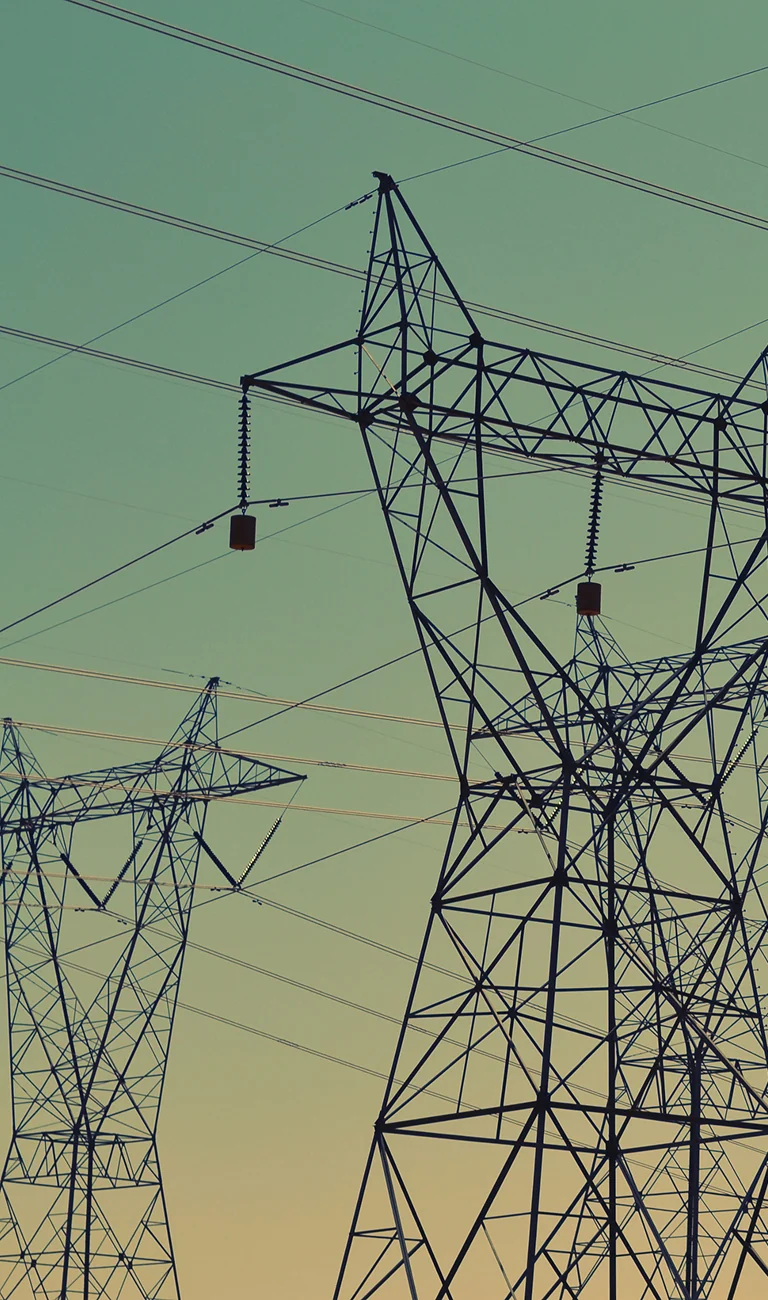
Grid storage systems have to cycle daily for decades, sit close to substations and the communities they serve, and satisfy fire codes, insurers and permitting authorities before delivering a single kilowatt-hour. Thermal events at storage facilities have made safety a deciding factor. Domestic content and FEOC rules add a second test: suppliers who can document where their materials originate.
Safety is where storage projects stall, and where Blue Current’s architecture makes the most difference. Significantly reducing thermal runaway changes the conversation with fire marshals, insurers and neighbors before a site is approved. Higher energy density cells cut the land required per megawatt-hour, cycle life carries the daily duty storage economics depend on, and a silicon supply chain holds up under FEOC review.
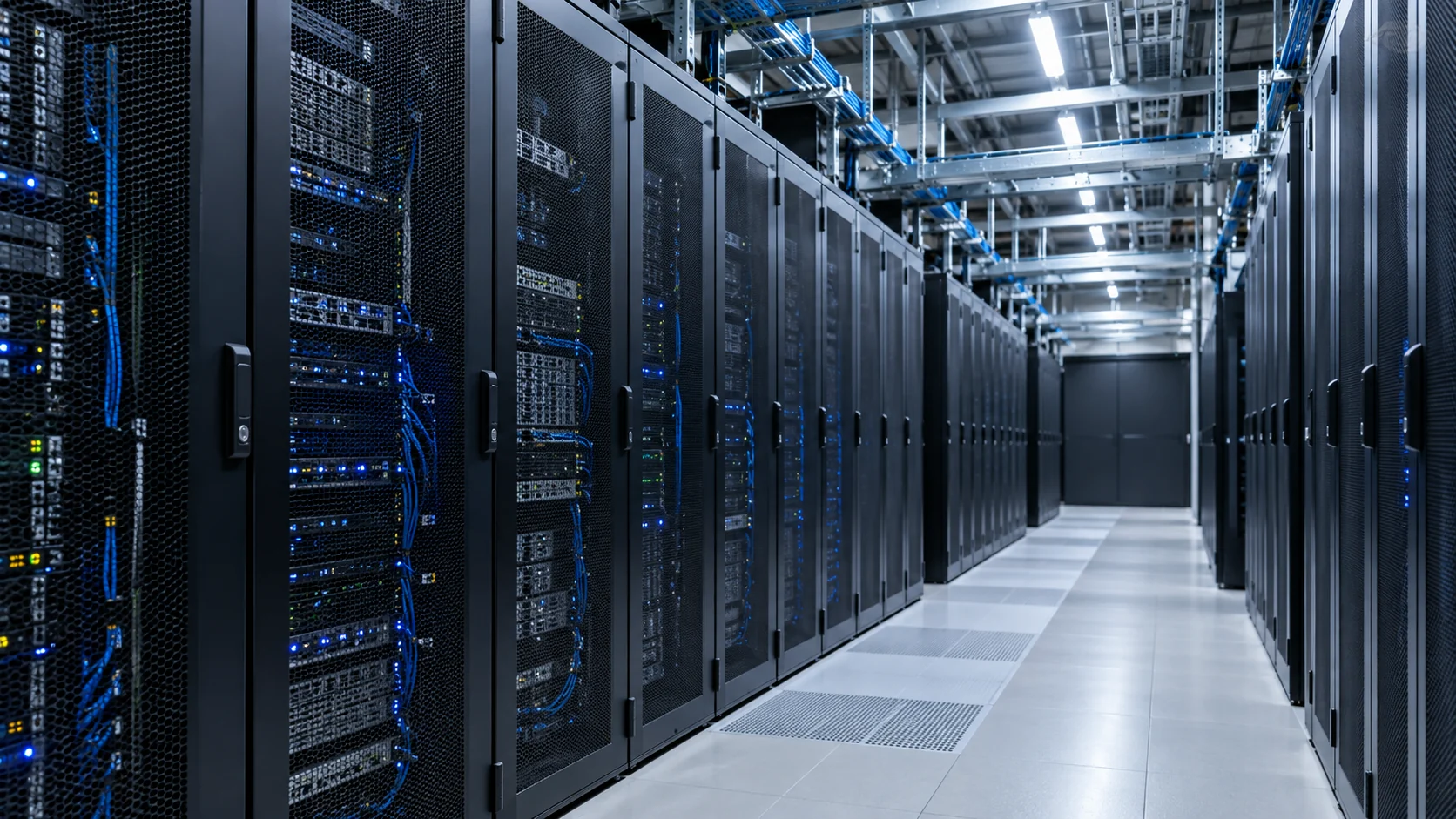
Blue Current’s architecture addresses two constraints that govern any battery facility: what happens if a cell fails, and how much space the cells take. Removing the flammable liquid by design eases the containment and suppression assumptions battery facilities are built around, while higher energy density returns square footage to compute. For equipment now falling under critical infrastructure requirements, a FEOC compliant supply chain is a procurement necessity.
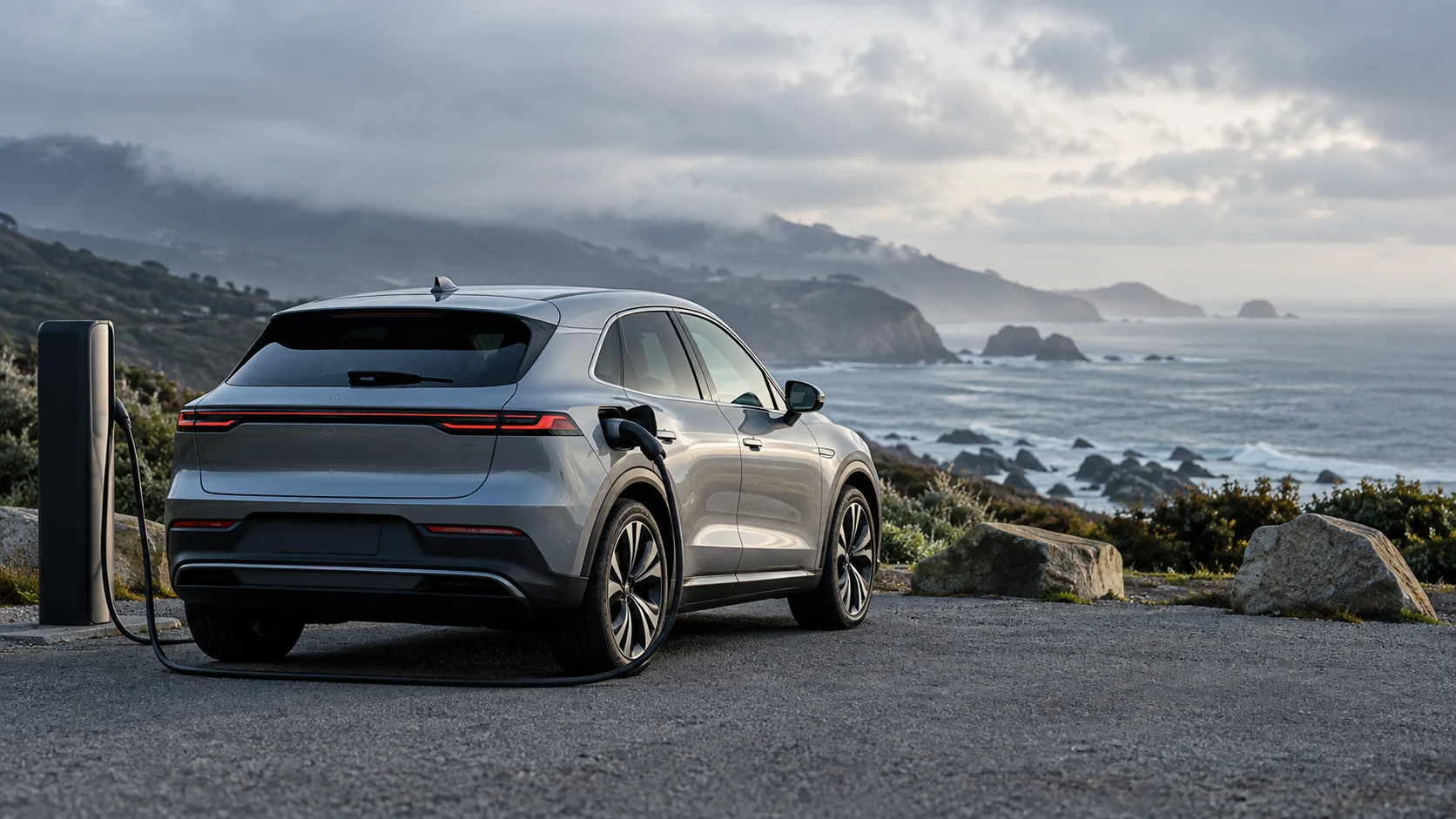
Automakers need battery packs that deliver more range in less space for less money, without rebuilding their manufacturing base around materials that do not yet exist on a large scale. Pack engineering is still dominated by addressing thermal runaway: much of the mass, structure, and cost in a modern battery pack exists to contain a failure rather than to store energy. Materials like graphite remain an unresolved strategic exposure.
The most valuable thing a non-flammable cell does at pack level is reduce how much engineering goes into containing failure. Structure, cooling and isolation mass that exists to stop propagation can be reconsidered, recovering weight and cost rather than adding a line to a spec sheet. Higher energy density cells compound it: the same pack gets smaller at an equal range. Blue Current’s approach scales on conventional manufacturing. Adopting it does not mean rebuilding a supply base around materials harder to secure than the ones being replaced.
Designing out the flammable liquid addresses the main cause of these fires, which changes what a manufacturer can credibly put in front of regulators, landlords and insurers. Higher energy density keeps packs lightweight enough for products such as e-bikes to be carried, and long cycle life holds up under daily fleet charging, ensuring that manufacturers can meet certification mandates and charging rules.
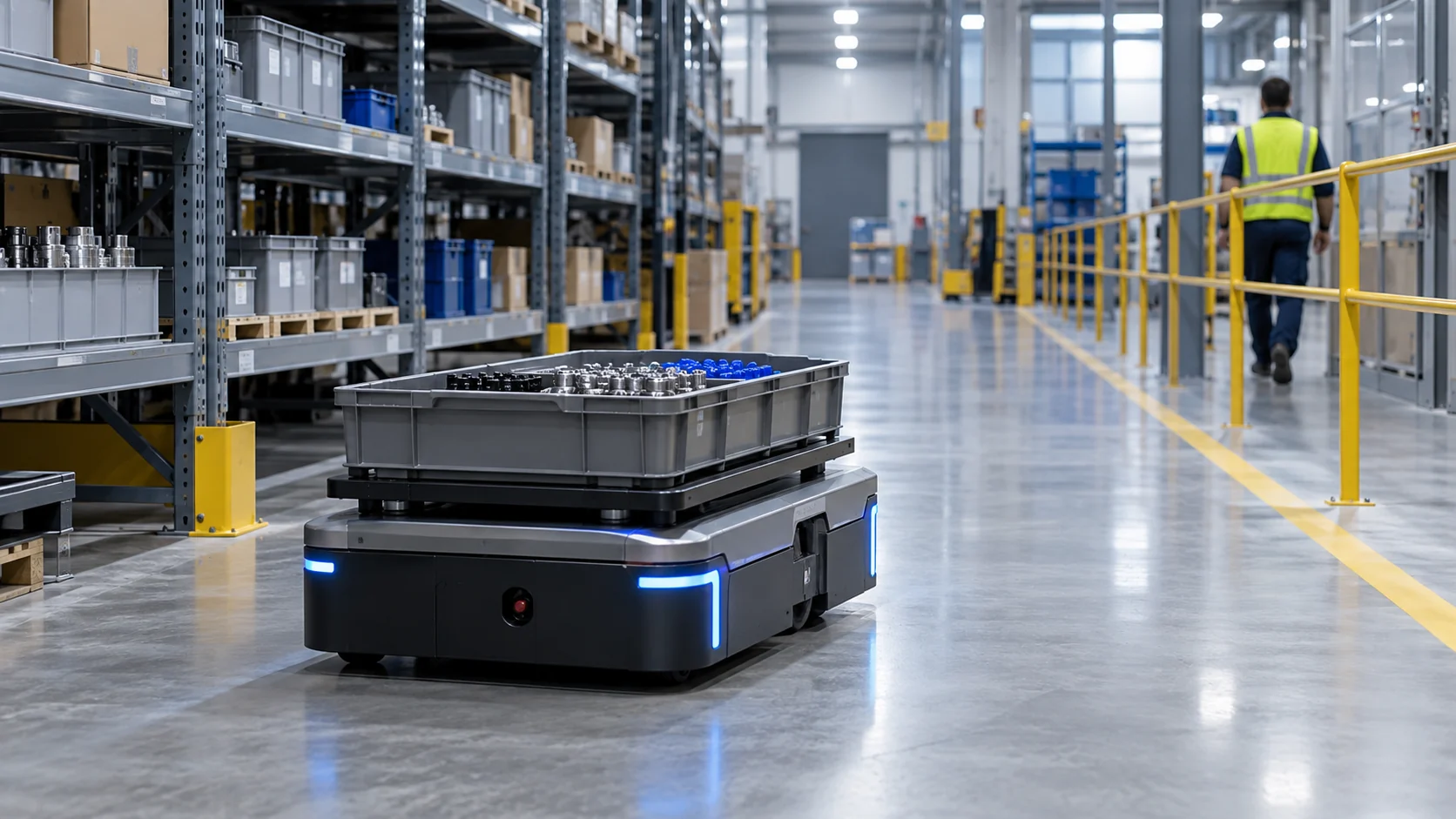
A robot works only as long as its battery lasts, and every extra pound of battery plays a significant and often constraining role in its performance. They start and stop constantly and get topped up between shifts rather than being fully recharged. Working beside people in warehouses and hospitals, robots’ risks of battery fire put people at risk, which is a key issue to almost every application and customer.
More energy in the same sized battery means a robot runs longer and carries more, and those two things decide whether it is worth deploying at all. Blue Current’s cells store more energy without taking up more room, and they cope with the stop-start charging system that robots get. With no flammable liquid inside, they are safer in a machine working beside people. Our FEOC compliant sourced materials meet the sourcing rules defense programs, and a growing number of commercial applications apply from the start.
INDUSTRIES
Industries & Benefits
Blue Current’s fully dry silicon battery cell changes three things: what happens when a battery fails, how much energy fits in each space, and where the materials come from. Our platform is designed to reach scale on conventional processes, equipment and abundant inputs, which is why we can serve industries beyond a laboratory.
Grid systems
Data centers
Mobility
Micromobility
Robotics
Grid storage systems have to cycle daily for decades, sit close to substations and the communities they serve, and satisfy fire codes, insurers and permitting authorities before delivering a single kilowatt-hour. Thermal events at storage facilities have made safety a deciding factor. Domestic content and FEOC rules add a second test: suppliers who can document where their materials originate.
Safety is where storage projects stall, and where Blue Current’s architecture makes the most difference. Significantly reducing thermal runaway changes the conversation with fire marshals, insurers and neighbors before a site is approved. Higher energy density cells cut the land required per megawatt-hour, cycle life carries the daily duty storage economics depend on, and a silicon supply chain holds up under FEOC review.
Blue Current’s architecture addresses two constraints that govern any battery facility: what happens if a cell fails, and how much space the cells take. Removing the flammable liquid by design eases the containment and suppression assumptions battery facilities are built around, while higher energy density returns square footage to compute. For equipment now falling under critical infrastructure requirements, a FEOC compliant supply chain is a procurement necessity.
Automakers need battery packs that deliver more range in less space for less money, without rebuilding their manufacturing base around materials that do not yet exist on a large scale. Pack engineering is still dominated by addressing thermal runaway: much of the mass, structure, and cost in a modern battery pack exists to contain a failure rather than to store energy. Materials like graphite remain an unresolved strategic exposure.
The most valuable thing a non-flammable cell does at pack level is reduce how much engineering goes into containing failure. Structure, cooling and isolation mass that exists to stop propagation can be reconsidered, recovering weight and cost rather than adding a line to a spec sheet. Higher energy density cells compound it: the same pack gets smaller at an equal range. Blue Current’s approach scales on conventional manufacturing. Adopting it does not mean rebuilding a supply base around materials harder to secure than the ones being replaced.
Designing out the flammable liquid addresses the main cause of these fires, which changes what a manufacturer can credibly put in front of regulators, landlords and insurers. Higher energy density keeps packs lightweight enough for products such as e-bikes to be carried, and long cycle life holds up under daily fleet charging, ensuring that manufacturers can meet certification mandates and charging rules.
A robot works only as long as its battery lasts, and every extra pound of battery plays a significant and often constraining role in its performance. They start and stop constantly and get topped up between shifts rather than being fully recharged. Working beside people in warehouses and hospitals, robots’ risks of battery fire put people at risk, which is a key issue to almost every application and customer.
More energy in the same sized battery means a robot runs longer and carries more, and those two things decide whether it is worth deploying at all. Blue Current’s cells store more energy without taking up more room, and they cope with the stop-start charging system that robots get. With no flammable liquid inside, they are safer in a machine working beside people. Our FEOC compliant sourced materials meet the sourcing rules defense programs, and a growing number of commercial applications apply from the start.